• Sale!

    Retinal Optical Coherence Tomography Image Analysis (Biological and Medical Physics, Biomedical Engineering) 1st ed

    by Xinjian Chen (Editor), Fei Shi (Editor), Haoyu Chen (Editor)

    This book introduces the latest optical coherence tomography (OCT) imaging and computerized automatic image analysis techniques, and their applications in the diagnosis and treatment of retinal diseases. Discussing the basic principles and the clinical applications of OCT imaging, OCT image preprocessing, as well as the automatic detection and quantitative analysis of retinal anatomy and pathology, it includes a wealth of clinical OCT images, and state-of-the-art research that applies novel image processing, pattern recognition and machine learning methods to real clinical data. It is a valuable resource for researchers in both medical image processing and ophthalmic imaging.

    You can buy this product at books Hub PK books Hub PK Shop for home delivery and Cash on delivery to all over Pakistan. All kind of medical books are available.

    Select options This product has multiple variants. The options may be chosen on the product page Details Quick View
  • Sale!

    Yeast Metabolic Engineering: Methods and Protocols (Methods in Molecular Biology Book 2513) 2nd Edition

    Advance your research in synthetic biology and metabolic engineering with the 2nd Edition of Yeast Metabolic Engineering: Methods and Protocols (Methods in Molecular Biology Book 2513) — now available at Books Hub PK, your trusted source for original scientific and medical texts in Pakistan.

    This updated volume in the acclaimed Methods in Molecular Biology (MIMB) series is a go-to technical reference for molecular biologists, microbiologists, and biochemical engineers. It presents a wide array of step-by-step laboratory protocols focused on genetically engineering yeast species—especially Saccharomyces cerevisiae—for use in industrial biotechnology, pharmaceutical production, and biofuels research.

    With the exponential growth in metabolic engineering, this edition includes new tools, refined gene-editing techniques, and strategies to optimize yeast metabolic pathways for producing high-value compounds. It’s an ideal book for labs working on bio-based chemicals, recombinant proteins, and synthetic pathways.

    🔍 Key Features:

    • Detailed protocols for CRISPR/Cas9-based genome editing, gene integration, and synthetic promoter design

    • Methods for pathway optimization, flux analysis, and metabolite quantification

    • Strategies to enhance yeast tolerance and productivity in bioprocess environments

    • Comprehensive guidance on data interpretation, troubleshooting, and reproducibility

    • Covers both basic and advanced-level protocols tailored for academic and industrial applications

    Select options This product has multiple variants. The options may be chosen on the product page Details Quick View
  • Sale!

    Yeast Functional Genomics: Methods and Protocols (Methods in Molecular Biology 2477) 2nd Edition

    Yeast Functional Genomics: Methods and Protocols (2nd Edition) from the prestigious Methods in Molecular Biology series (Book 2477) provides a comprehensive, up-to-date resource for researchers exploring the powerful world of Saccharomyces cerevisiae as a model for functional genomics. Now available for order through Books Hub PK, this essential lab manual equips molecular biologists and geneticists with the methodologies needed to decode gene functions at a systems level.

    This expanded second edition reflects the rapid advancements in yeast genomics, encompassing a wide range of cutting-edge experimental techniques—from CRISPR-based genome editing to transcriptomics, proteomics, and metabolic pathway analyses. With easy-to-follow protocols, helpful notes, and troubleshooting tips, this volume is indispensable for both newcomers and experienced professionals in the field.

    🔬 Key Topics Include:

    • High-throughput gene deletion and mutant screening

    • CRISPR-Cas9 and RNA interference applications in yeast

    • Functional mapping of gene interactions and networks

    • Yeast as a model for studying human disease genes

    • Omics approaches including transcriptomics and proteomics

    • Bioinformatics tools for yeast data analysis

    • Real-time phenotypic assays and metabolic profiling

    Select options This product has multiple variants. The options may be chosen on the product page Details Quick View
  • Sale!

    Xenopus: From Basic Biology to Disease Models in the Genomic Era

    Price range: ₨ 600 through ₨ 1,300

    Xenopus: From Basic Biology to Disease Models in the Genomic Era

    Xenopus: From Basic Biology to Disease Models in the Genomic Era is a comprehensive and forward-looking reference that highlights the critical role of Xenopus (African clawed frog) as a powerful model organism in modern biological and biomedical research. Now available in Pakistan through BooksHub.pk, this volume bridges developmental biology, genetics, cell signaling, physiology, regenerative medicine, and disease modeling, making it an essential resource for research laboratories, graduate students, and scientific educators.

    Xenopus has long been used to study embryonic development, cellular differentiation, and organ formation due to its large, easily manipulable embryos and well-mapped developmental stages. In the genomic era, however, Xenopus has gained even more significance with the availability of high-resolution genome sequences, gene editing tools (CRISPR/Cas9), transcriptomics, and imaging technologies. This book explains how these advances enable researchers to model human diseases, including congenital disorders, cancer, neurological dysfunction, and cardiac abnormalities, using Xenopus as a versatile biological system.

    Key Features

    • Explains the biological significance of Xenopus as a research model

    • Covers genomics, molecular biology, developmental mechanisms, and disease modeling

    • Demonstrates how Xenopus is used to study human genetic and developmental disorders

    • Integrates experimental methods with case studies and practical applications

    • Ideal for advanced academic study, laboratory research, and teaching

    • Written by internationally recognized leaders in the field

    • Essential resource for university labs, research institutes, and academic libraries

    Select options This product has multiple variants. The options may be chosen on the product page Details Quick View
  • Sale!

    Women in Field Biology: A Journey into Nature

    Price range: ₨ 550 through ₨ 1,150

    Women in Field Biology: A Journey into Nature

    Women in Field Biology: A Journey into Nature is an inspiring and insightful book that celebrates the lives, struggles, and achievements of pioneering women scientists who have dedicated their careers to understanding and protecting the natural world. This remarkable volume blends science, history, and storytelling to highlight how women field biologists have overcome challenges, broken barriers, and reshaped our understanding of ecology, wildlife, and conservation through their passion and perseverance.

    Authored by accomplished field biologists and science communicators, this book takes readers on a fascinating journey through forests, oceans, mountains, and deserts—showing the adventure and discovery that define a life in field research. From studying endangered species to exploring remote ecosystems, these stories illuminate both the scientific importance and personal dedication behind fieldwork, making it an inspiring read for students, nature lovers, and aspiring scientists alike.

    Key Features:

    • Empowering Biographies: Captivating stories of women who have made groundbreaking contributions to ecology, wildlife biology, and environmental conservation.

    • Global Perspectives: Showcases fieldwork experiences from across continents and diverse habitats—from tropical rainforests to Arctic tundras.

    • Science Meets Storytelling: Blends rigorous biological research with personal narratives of adventure, challenge, and discovery.

    • Focus on Conservation: Highlights how women scientists are driving efforts to preserve biodiversity and protect fragile ecosystems.

    • Educational Value: Ideal for students of biology, environmental science, and gender studies seeking inspiration and academic insight.

    • Beautifully Written: Combines scientific clarity with emotional depth, appealing to both professional biologists and general readers.

    Select options This product has multiple variants. The options may be chosen on the product page Details Quick View
  • Sale!

    Wilson and Walkers Principles and Techniques of Biochemistry and Molecular Biology 8th Ed

    Original price was: ₨ 3,500.Current price is: ₨ 2,850.
    Colour Matt Finshed
  • Sale!

    Whole-Body Regeneration: Methods and Protocols (Methods in Molecular Biology 2450)

    Price range: ₨ 1,100 through ₨ 2,500

    Whole-Body Regeneration: Methods and Protocols (Methods in Molecular Biology 2450)

    Explore the fascinating world of regenerative biology with "Whole-Body Regeneration: Methods and Protocols (Methods in Molecular Biology, Volume 2450)", now in stock at Books Hub PK. This advanced volume in the prestigious Methods in Molecular Biology series is a must-have guide for scientists and students working in regenerative medicine, developmental biology, stem cell research, and tissue engineering.

    Whole-body regeneration—the ability of certain organisms to regrow complete body structures—holds vast potential for therapeutic applications in humans. This book presents cutting-edge protocols and techniques used to study this phenomenon across multiple model organisms including planarians, hydra, zebrafish, and axolotls. Whether you're focused on wound healing, limb regrowth, organ regeneration, or stem cell dynamics, this manual provides everything needed to conduct meaningful and reproducible research.

    Edited by experts in the field, each chapter delivers step-by-step methodologies, troubleshooting tips, and practical insights, making it an ideal reference for both new researchers and seasoned professionals.

    Key Features:

    • Covers diverse regenerative model systems (invertebrates and vertebrates)

    • Protocols for gene expression analysis, imaging, lineage tracing, and functional assays

    • Techniques to study stem cells, signaling pathways, and regeneration genetics

    • Includes CRISPR, RNAi, transcriptomics, and in vivo labeling protocols

    • Designed for researchers in molecular biology, biomedicine, and regenerative science

    This book is essential for PhD scholars, postdoctoral researchers, academic faculty, and biotech professionals aiming to advance their work in tissue repair, stem cell therapy, and regenerative therapeutics. The detailed protocols offer a reliable foundation for designing experiments, collecting high-quality data, and translating basic science into medical breakthroughs.

    Select options This product has multiple variants. The options may be chosen on the product page Details Quick View
  • Sale!

    West Nile Virus: Methods and Protocols (Methods in Molecular Biology, 2585)

    Price range: ₨ 400 through ₨ 900

    West Nile Virus: Methods and Protocols (Methods in Molecular Biology, 2585)

    West Nile Virus: Methods and Protocols (Methods in Molecular Biology, 2585) is a specialized and authoritative guide for researchers, virologists, and molecular biologists studying West Nile Virus (WNV) biology, pathogenesis, and detection methods. Available in Pakistan through BooksHub.pk, this book provides step-by-step protocols for investigating WNV, including viral isolation, molecular detection, immunological assays, and experimental models, making it an essential resource for both basic research and translational studies.

    Part of the prestigious Methods in Molecular Biology series, this volume offers practical guidance for studying emerging and re-emerging viral infections. It emphasizes reproducible techniques, biosafety practices, and experimental design, helping researchers understand WNV biology and its implications in public health, epidemiology, and antiviral research. The book also highlights diagnostic approaches, vaccine development strategies, and host-pathogen interactions, providing a comprehensive toolkit for WNV research.

    Key Features

    • Comprehensive, step-by-step protocols for West Nile Virus research

    • Covers molecular, immunological, and virological techniques

    • Emphasis on biosafety, reproducibility, and experimental optimization

    • Includes animal and cell culture models for pathogenesis and therapeutic studies

    • Ideal for students, researchers, and laboratory professionals

    • Combines practical methodologies with theoretical insights

    • Part of the authoritative Methods in Molecular Biology series

    Select options This product has multiple variants. The options may be chosen on the product page Details Quick View
  • Sale!

    Viroids: Methods and Protocols (Methods in Molecular Biology Book 2316)

    Price range: ₨ 650 through ₨ 1,400

    Viroids: Methods and Protocols (Methods in Molecular Biology Book 2316)

    Viroids: Methods and Protocols (Methods in Molecular Biology, Volume 2316) is a specialized and authoritative laboratory manual that offers a comprehensive collection of cutting-edge protocols for the detection, analysis, and functional characterization of viroids—the smallest known infectious pathogens, composed solely of a short strand of circular, non-coding RNA. Available now at Books Hub PK, this volume is an indispensable resource for plant molecular biologists, virologists, and agricultural researchers.

    Viroids are of critical importance in the field of plant pathology, as they are responsible for significant agricultural losses worldwide, affecting crops like potatoes, citrus fruits, avocados, and tomatoes. This book provides detailed and reproducible methods to study these pathogens at both molecular and cellular levels.

    Compiled and written by leading experts in plant virology, this volume covers a broad spectrum of modern techniques, including:

    • Viroid isolation and purification

    • Reverse transcription quantitative PCR (RT-qPCR) for viroid detection

    • Northern blot and dot blot hybridization

    • Rolling circle amplification (RCA)

    • In situ hybridization and confocal microscopy

    • Host-pathogen interaction assays

    • High-throughput sequencing (HTS) for viroid genome characterization

    Each chapter includes step-by-step instructions, reagent lists, data interpretation guidance, and troubleshooting tips—ensuring robust and reproducible results for every level of expertise.

    Key Features:

    • Comprehensive guide for studying viroid biology and diagnostics

    • Includes both traditional and next-generation molecular tools

    • Supports crop disease diagnostics, surveillance, and control strategies

    • Designed for application in both academic and industrial plant health laboratories

    • Features protocols for understanding viroid replication, pathogenesis, and host responses

    Select options This product has multiple variants. The options may be chosen on the product page Details Quick View
  • Sale!

    VEGF Signaling: Methods and Protocols (Methods in Molecular Biology, 2475)

    Price range: ₨ 600 through ₨ 1,350

    VEGF Signaling: Methods and Protocols (Methods in Molecular Biology, 2475)

    VEGF Signaling: Methods and Protocols (Methods in Molecular Biology, Volume 2475) – 2nd Edition is an authoritative laboratory guide designed for researchers investigating angiogenesis, vascular biology, molecular signaling, and cancer progression. This volume provides detailed, reproducible methods for studying Vascular Endothelial Growth Factor (VEGF) pathways, which are central to the formation of new blood vessels in both normal physiology and disease conditions such as tumor growth, wound healing, diabetic retinopathy, and cardiovascular disorders.

    Key Features

    • Comprehensive overview of VEGF signaling mechanisms

    • Step-by-step laboratory protocols with reagent lists

    • Practical troubleshooting and optimization suggestions

    • Includes in vitro, ex vivo, and in vivo angiogenesis models

    • Essential resource for understanding angiogenesis-targeted therapies

    • Suitable for MSc, MPhil, PhD researchers and scientific professionals

    • Part of the trusted Methods in Molecular Biology series

    Available now in Pakistan through BooksHub.pk, this latest edition is fully updated with advanced experimental techniques, including cutting-edge molecular imaging, functional assays, gene expression profiling, protein interaction mapping, and in vivo model systems. Each chapter follows the trusted Methods in Molecular Biology (MIMB) format with step-by-step protocols, lists of essential reagents, troubleshooting notes, and expert guidance to ensure reproducible and accurate laboratory results.

    Select options This product has multiple variants. The options may be chosen on the product page Details Quick View
  • Sale!

    Vasculogenic Mimicry: Methods and Protocols (Methods in Molecular Biology 2514)

    Price range: ₨ 350 through ₨ 700

    Vasculogenic Mimicry: Methods and Protocols (Methods in Molecular Biology 2514)

    Delve into the cutting-edge field of tumor biology with "Vasculogenic Mimicry: Methods and Protocols", part of the esteemed Methods in Molecular Biology series (Vol. 2514). This volume is a crucial resource for cancer researchers, cellular biologists, and molecular medicine specialists exploring the alternative pathways of tumor vascularization beyond traditional angiogenesis.

    Vasculogenic mimicry (VM) represents a tumor-driven vascular strategy, where aggressive cancer cells form vessel-like networks independent of endothelial cells—an emerging hallmark of malignancy associated with poor prognosis. This comprehensive laboratory guide provides step-by-step experimental protocols designed to investigate the molecular mechanisms, biomarkers, and therapeutic targets associated with VM.

    Edited and authored by leading experts in oncology and molecular pathology, this volume brings together highly reproducible methodologies that span in vitro modeling, 3D culture systems, gene editing techniques, immunohistochemical analysis, and in vivo tumor models.

    Key Features:

    • Part of the trusted Methods in Molecular Biology series (Volume 2514, Springer)

    • Standardized laboratory protocols for studying vasculogenic mimicry

    • Detailed methods for cell line establishment, ECM modeling, and gene expression profiling

    • Techniques for CRISPR/Cas9 gene editing, immunofluorescence, and 3D tube formation assays

    • Explores the role of tumor microenvironment, VE-cadherin, and hypoxia-related signaling pathways

    Each chapter includes a concise introduction to the technique, a full list of materials, and step-by-step instructions, along with expert tips and troubleshooting guidance to support reproducibility and experimental success.

    Select options This product has multiple variants. The options may be chosen on the product page Details Quick View
  • Sale!

    Variant Calling: Methods and Protocols (Methods in Molecular Biology Book 2493)

    Price range: ₨ 600 through ₨ 1,300

    Variant Calling: Methods and Protocols (Methods in Molecular Biology Book 2493)

    Accelerate your genomic research with Variant Calling: Methods and Protocols (Methods in Molecular Biology, Vol. 2493)—a must-have guide for scientists working in next-generation sequencing (NGS), bioinformatics, clinical genomics, and precision medicine. This comprehensive volume delivers step-by-step, reproducible protocols for identifying genetic variants from sequencing data, including single nucleotide variants (SNVs), insertions and deletions (indels), structural variants, and copy number variations.

    As part of the globally respected Methods in Molecular Biology series by Springer, this book combines practical laboratory and computational workflows, allowing researchers to master all key stages of the variant calling pipeline—from data preparation to quality control, algorithm selection, annotation, and interpretation.

    Written by leading experts in genomics and bioinformatics, the book includes hands-on protocols, ready-to-use scripts, and troubleshooting insights, making it ideal for both new learners and experienced bioinformaticians.

    Key Features:

    • Comprehensive protocols for variant detection using NGS technologies

    • Includes GATK, SAMtools, BCFtools, FreeBayes, DeepVariant, and other tools

    • Chapters on variant annotation, filtering, visualization, and interpretation

    • Covers WGS, WES, targeted sequencing, and cancer genomics

    • Hands-on methods for germline and somatic variant analysis

    • Includes command-line workflows and computational setup guidelines

    This book is essential for researchers working on human genetics, cancer research, rare diseases, population genomics, and personalized medicine.

    Select options This product has multiple variants. The options may be chosen on the product page Details Quick View
  • Sale!

    Twin Research for Everyone: From Biology to Health, Epigenetics, and Psychology

    Price range: ₨ 1,150 through ₨ 2,650

    Twin Research for Everyone: From Biology to Health, Epigenetics, and Psychology

    Discover the fascinating world of twins and how their unique biological makeup provides groundbreaking insights into human health, behavior, and genetics with Twin Research for Everyone: From Biology to Health, Epigenetics, and Psychology. This accessible yet informative book is ideal for students, researchers, educators, and anyone curious about human development and individuality.

    Written in an engaging style by leading twin researchers, this book offers a deep dive into how twin studies have revolutionized our understanding of genetics, epigenetics, mental health, disease risk, personality, and cognitive development. Using real-world examples and scientific evidence, it unpacks how twin research helps distinguish between nature and nurture — a fundamental question in science and psychology.

    Key Features:

    • Clear explanations of key concepts in twin biology, including monozygotic and dizygotic development

    • Insights into how epigenetics modifies gene expression and its implications for health and behavior

    • Analysis of how twins help scientists study conditions like schizophrenia, autism, obesity, depression, and addiction

    • Chapters on psychological traits, personality, intelligence, and how twin studies inform education and social science

    • Real twin case studies and stories that humanize complex scientific discoveries

    • A perfect balance of scientific depth and readability, making it suitable for both academic and general audiences

    Whether you are a student of psychology, a healthcare professional, or simply interested in the science of human differences, this book is a powerful introduction to twin research with real-world impact.

    Select options This product has multiple variants. The options may be chosen on the product page Details Quick View
  • Sale!

    Tumor Angiogenesis Assays: Methods and Protocols (Methods in Molecular Biology 2572) 2nd Edition

    The 2nd Edition of Tumor Angiogenesis Assays: Methods and Protocols is an indispensable resource for cancer researchers, molecular biologists, and medical professionals seeking to understand and evaluate angiogenesis in tumor biology. As part of the prestigious Methods in Molecular Biology series, this volume provides step-by-step experimental protocols for analyzing blood vessel formation in cancer, from in vitro assays to in vivo models.

    With cancer research increasingly focused on anti-angiogenic therapies, this updated edition delivers the most reliable and reproducible methods for investigating tumor vascularization, identifying molecular pathways, and testing therapeutic compounds.

    Key Features:

    • Comprehensive Protocol Collection – Covers microvascular endothelial cell culture, 3D matrix assays, zebrafish angiogenesis models, mouse xenografts, and more.

    • Updated & Expanded Content – Includes the latest imaging technologies, biomarker detection techniques, and quantitative analysis methods.

    • Expert Guidance – Each chapter written by specialists in cancer angiogenesis research.

    • Troubleshooting Tips – Practical advice to overcome experimental challenges and improve reproducibility.

    • Application-Oriented Approach – Suitable for both academic and pharmaceutical research settings.

    Select options This product has multiple variants. The options may be chosen on the product page Details Quick View
  • Sale!

    Trends in Teaching Experimentation in the Life Sciences: Putting Research into Practice to Drive Institutional Change (Contributions from Biology Education Research)

    Step into the forefront of biology education with Trends in Teaching Experimentation in the Life Sciences, a transformative guide designed to help educators and administrators embed research-based strategies into life science curricula. Edited by Nancy J. Pelaez, Stephanie M. Gardner, and Trevor R. Anderson—leaders in biology education from Purdue University—the book brings over 561 pages of case studies, frameworks, and evidence-based methods to elevate how biological experimentation is taught and assessed.

    This volume interrogates deep-rooted assumptions at the classroom, departmental, and institutional levels about how students learn experimentation. It classifies, unpacks, and illustrates the ACE‑Bio competencies—a core set of scientific skills essential for experimental biologists—through practical examples and student-centered outcomes.

    Unlock innovative tools for curriculum reform with sections that include:

    • Backward course design structured around authentic student gains in experimental abilities.

    • Assignments and rubrics aligned with research competencies, including journal‑style lab reports and evidence-based reasoning.

    • Strategies for virtual microscopy, digital notebooks, and soft‑skill development—bridging modern pedagogy and lab practice.

    This book speaks to educators dedicated to scientific literacy, public policy engagement, and evidence-based decision-making—guiding institutions toward meaningful pedagogical change. It blends research insights, teaching tools, and institutional buy-in strategies—an exceptional resource for:

    • Biology educators and lecturers seeking to upgrade lab instruction

    • Education researchers building robust teaching studies

    • University administrators aiming to drive curriculum improvement

    • Teacher-trainers and professional development coordinators

    Select options This product has multiple variants. The options may be chosen on the product page Details Quick View
  • Sale!

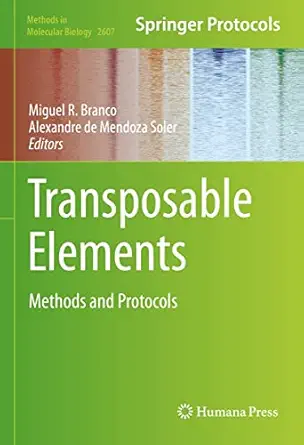
    Transposable Elements: Methods and Protocols (Methods in Molecular Biology Book 2607)

    Price range: ₨ 650 through ₨ 1,400

    Transposable Elements: Methods and Protocols (Methods in Molecular Biology Book 2607)

    Transposable Elements: Methods and Protocols (Methods in Molecular Biology Book 2607) is a comprehensive and updated laboratory guide focused on the study of transposable elements (TEs) — the mobile genetic sequences that play a fundamental role in genome evolution, gene regulation, and genetic diversity. Edited by leading experts in molecular genetics and genomics, this volume presents step-by-step experimental protocols designed to study, identify, and analyze transposons across various model organisms.

    As part of the globally acclaimed Methods in Molecular Biology series, this book provides practical, hands-on methods complemented by expert insights, making it indispensable for researchers working in molecular genetics, evolutionary biology, epigenetics, and bioinformatics. It not only focuses on laboratory-based techniques but also integrates computational approaches for detecting and analyzing transposable elements within large genomic datasets.

    Key Features:

    • Comprehensive Experimental Coverage: Includes protocols for isolation, identification, functional analysis, and characterization of transposable elements.

    • Updated Molecular Tools: Features cutting-edge methods such as next-generation sequencing (NGS), CRISPR-based tagging, and epigenetic profiling of TEs.

    • Bioinformatics Approaches: Provides detailed computational pipelines for genome-wide detection, annotation, and comparative analysis of transposons.

    • Functional Genomics Applications: Explains how transposable elements contribute to gene regulation, genome plasticity, and evolutionary innovation.

    • Clinical and Evolutionary Relevance: Discusses TE involvement in genetic diseases, cancer biology, and developmental processes.

    • Standardized Format: Follows the trusted Methods in Molecular Biology layout — introduction, materials, detailed protocols, and troubleshooting notes for reproducibility.

    • Expert Contributions: Written by leading scientists, offering practical tips, experimental insights, and guidance for successful research outcomes.

    Select options This product has multiple variants. The options may be chosen on the product page Details Quick View
  • Sale!

    Translational Informatics: Prevention and Treatment of Viral Infections (Advances in Experimental Medicine and Biology, 1368)

    This book introduces the translational informatics applied to most aspects of virus infection, including tracking of virus origin, detection and prevention of infection, drug discovery, and vaccine design as well as smart city-level monitoring and controlling of the virus epidemic by government. It covers the informatics for data mining and modelling at molecular, tissue/organ, individual, and population levels. The informatics for immunological mechanisms and the personalized prediction and treatment of infected patients are also summarized. The perspectives on the application of artificial intelligence to the prevention of virus outbreaks are also given. This book will be helpful to readers who are interested in prevention of virus infection, biomedical informatics, and artificial intelligence in medicine and healthcare.

    Translational Informatics: Prevention and Treatment of Viral Infections (Advances in Experimental Medicine and Biology, 1368) is available at Books Hb Pk for home delivery and Cash on delivery all over Pakistan. All kind of medical books are available.

    Select options This product has multiple variants. The options may be chosen on the product page Details Quick View
  • Sale!

    Transcription Factor Regulatory Networks (Methods in Molecular Biology Book 2594)

    Price range: ₨ 400 through ₨ 850

    Transcription Factor Regulatory Networks (Methods in Molecular Biology Book 2594)

    Transcription Factor Regulatory Networks (Methods in Molecular Biology Book 2594) is an advanced, practical guide designed for molecular biologists, geneticists, bioinformaticians, and biomedical researchers exploring the complex regulatory systems that control gene expression. This volume provides state-of-the-art protocols, experimental workflows, and computational tools for mapping and analyzing transcription factor (TF) networks across various biological systems.

    Part of the highly respected Methods in Molecular Biology series, this book delivers step-by-step protocols that are fully tested and reproducible, making it a trusted resource for both newcomers and experienced researchers. It covers the latest techniques for identifying transcription factors, mapping binding sites, characterizing DNA–protein interactions, and integrating these data into functional regulatory networks.

    Key Features:

    • Comprehensive TF network analysis – From experimental detection to computational modeling.

    • Step-by-step laboratory protocols – Detailed methods for ChIP-seq, DNA footprinting, and electrophoretic mobility shift assays (EMSAs).

    • Integration of bioinformatics tools – Methods for network reconstruction, visualization, and statistical analysis.

    • Applications in biomedical research – Including cancer genomics, developmental biology, and disease biomarker discovery.

    • Expert authorship – Written by leading scientists in gene regulation and systems biology.

    Select options This product has multiple variants. The options may be chosen on the product page Details Quick View
  • Sale!

    The Unfolded Protein Response: Methods and Protocols (Methods in Molecular Biology Book 2378)

    Price range: ₨ 600 through ₨ 1,250

    The Unfolded Protein Response: Methods and Protocols (Methods in Molecular Biology Book 2378)

    Advance your molecular biology and cellular stress research with The Unfolded Protein Response: Methods and Protocols, edited by Roberto Pérez‑Torrado and published by Springer Nature in 2022. Part of the acclaimed Methods in Molecular Biology series, this authoritative handbook delivers detailed, reproducible laboratory methods for studying the unfolded protein response (UPR)—a critical cellular pathway in ER stress, disease, and homeostasis.

    🔬 Key Features & Contents

    • Six Comprehensive Sections covering:

      • Measurement of unfolded protein levels

      • UPR signaling pathways (PERK, IRE1, ATF6)

      • Downstream responses including apoptosis, chaperone induction, and ER‑associated degradation

      • Mammalian and alternative model systems (yeast, plant protoplasts)

      • UPR in human disease contexts (neurodegenerative disorders, metabolic conditions)

    • Reproducible Protocol Format: Each chapter includes introduction, materials, step-by-step methods, troubleshooting tips, and expert notes for effective execution in your lab.

    • In Planta UPR Methods: Specific chapters detail protocols such as protein extraction for proteomics in Arabidopsis thaliana under ER stress conditions.

    • Fluorescence & Biosensor Assays: Detect protein unfolding using FRET‑based sensors and fluorescent reporter constructs in real time.

    • Cross-Model Coverage: From yeast (HAC1 mRNA splicing assays), mammalian cell culture, to plant systems—this volume supports research across biological kingdoms.

    Select options This product has multiple variants. The options may be chosen on the product page Details Quick View
  • Sale!

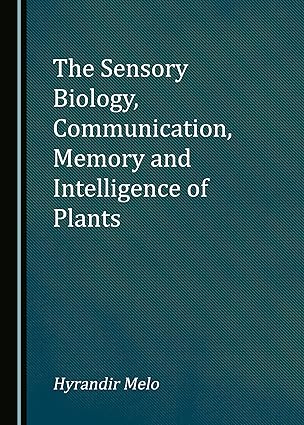
    The Sensory Biology, Communication Memory and Intelligence of Plants

    Price range: ₨ 500 through ₨ 1,100

    The Sensory Biology, Communication Memory and Intelligence of Plants

    Plants may seem passive, but modern science reveals they are active, responsive, and intelligent life forms. The Sensory Biology, Communication, Memory and Intelligence of Plants takes you deep into the fascinating world of plant physiology and signaling, uncovering how plants perceive their environment, communicate with each other, and adapt through memory-like processes.

    This groundbreaking book bridges plant biology, neurobiology, ecology, and molecular science to show that plants are far more sophisticated than previously imagined. It challenges traditional assumptions and presents cutting-edge research on plant sensory systems, adaptive behavior, and biochemical communication networks.

    Key Features:

    • Comprehensive Exploration – Covers light perception, chemical signaling, touch sensitivity, and environmental memory in plants.

    • Latest Research Insights – Based on advanced studies in plant neurobiology, electrophysiology, and molecular signaling.

    • Clear Scientific Explanations – Complex mechanisms explained for researchers, academics, and advanced students.

    • Interdisciplinary Approach – Integrates botany, physiology, and communication science.

    • Real-World Relevance – Applications in agriculture, ecology, and environmental sustainability.

    Select options This product has multiple variants. The options may be chosen on the product page Details Quick View
  • Sale!

    The P2X7 Receptor: Methods and Protocols (Methods in Molecular Biology Book 2510)

    Price range: ₨ 650 through ₨ 1,500

    The P2X7 Receptor: Methods and Protocols (Methods in Molecular Biology Book 2510)

    Advance your research into purinergic signaling with The P2X7 Receptor: Methods and Protocols (Methods in Molecular Biology Book 2510), now available at Books Hub PK. This essential laboratory manual provides a comprehensive and practical approach to studying the P2X7 receptor, a key purinergic receptor implicated in inflammatory responses, immune cell function, and various pathophysiological processes.

    This authoritative volume offers a curated collection of cutting-edge techniques and protocols for analyzing P2X7 receptor structure, activation mechanisms, pharmacology, and its diverse roles in health and disease. Authored by leading experts in molecular biology and receptor pharmacology, it serves as a reliable guide for both early-career scientists and experienced researchers working in cellular signaling, neurobiology, immunology, and drug discovery.

    🔬 Key Features:

    • Detailed step-by-step laboratory protocols for receptor expression, functional assays, and imaging

    • Practical methods for studying P2X7 activation, signaling pathways, and protein interactions

    • Tools for exploring P2X7’s role in inflammation, apoptosis, cancer, and neurodegenerative diseases

    • Troubleshooting tips and reagent lists to ensure reproducibility and research accuracy

    • Highlights receptor involvement in ATP-mediated responses and immune cell activation

    Select options This product has multiple variants. The options may be chosen on the product page Details Quick View
  • Sale!

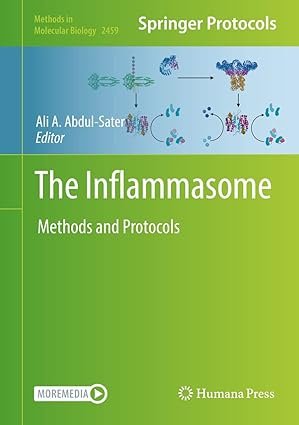
    The Inflammasome: Methods and Protocols (Methods in Molecular Biology Book 2459)

    Price range: ₨ 350 through ₨ 700

    The Inflammasome: Methods and Protocols (Methods in Molecular Biology Book 2459)

    The Inflammasome: Methods and Protocols (Methods in Molecular Biology, Volume 2459) is a comprehensive and advanced laboratory resource designed to support cutting-edge research in immunology, cell signaling, inflammatory diseases, cancer biology, and infectious disease research. Now available in Pakistan through BooksHub.pk, this volume provides a complete collection of reliable, reproducible, and step-by-step experimental protocols for studying inflammasome activation, regulation, signaling cascades, and functional biological outcomes.

    Inflammasomes are protein complexes responsible for activating inflammatory responses, and their dysregulation is linked to autoimmune diseases, metabolic disorders, neuroinflammation, viral infections, and cancer. This book equips researchers with practical techniques to investigate the structure, function, and mechanisms of multiple inflammasome types, including NLRP3, AIM2, NLRC4, NLRP1, and newly discovered sensor pathways.

    Key Features

    • Comprehensive overview of inflammasome signaling pathways

    • Step-by-step reproducible laboratory protocols

    • Troubleshooting insights from leading global researchers

    • Includes both in vitro and in vivo experimental systems

    • Crucial for studies in immunology, inflammation, and disease pathology

    • Suitable for advanced academic and clinical laboratory use

    • Part of the renowned Methods in Molecular Biology series

    Select options This product has multiple variants. The options may be chosen on the product page Details Quick View
  • Sale!

    The Impact of Climate Change on Fungal Diseases (Fungal Biology)

    Price range: ₨ 550 through ₨ 1,200

    The Impact of Climate Change on Fungal Diseases (Fungal Biology)

    The Impact of Climate Change on Fungal Diseases (Fungal Biology Series) is a timely and essential scientific resource that explores how global warming, humidity shifts, changing ecosystems, and environmental stress are influencing the spread, virulence, and emergence of fungal pathogens around the world. Now available in Pakistan through BooksHub.pk, this authoritative volume provides a comprehensive analysis of how climate change is reshaping human health, agriculture, forests, marine life, and biodiversity through the rapidly evolving dynamics of fungal diseases.

    Key Features

    • Comprehensive examination of climate change and fungal disease interactions

    • Case studies across human, plant, marine, and forest ecosystems

    • Strategies for early detection, monitoring, and disease prevention

    • Written by globally experienced researchers and field experts

    • Suitable for researchers, educators, environmental professionals, and policymakers

    • Essential for laboratories, universities, and ecological research centers

    • Part of the respected Fungal Biology series

    Select options This product has multiple variants. The options may be chosen on the product page Details Quick View
  • Sale!

    The Human Lineage (Foundation of Human Biology) 2nd Edition

    Price range: ₨ 1,000 through ₨ 2,300

    The Human Lineage (Foundation of Human Biology) 2nd Edition

    The Human Lineage (Foundations of Human Biology) is a comprehensive, research-based introduction to human evolution, biological anthropology, and the scientific study of our ancestral origins. Now available in Pakistan through BooksHub.pk, this authoritative text provides a clear, engaging, and expertly structured exploration of how humans evolved, adapted, and developed into the species we are today. It is ideal for university students, anthropology learners, educators, researchers, and readers with a deep interest in human evolutionary history.

    This book guides readers through millions of years of biological change, explaining major evolutionary transitions with scientific clarity and visual detail. From early primates to Australopithecines, from Neanderthals to modern Homo sapiens, the text covers every significant evolutionary stage, supported by fossil evidence, comparative anatomy, genetic data, and archaeological discoveries.

    Written in an accessible yet scholarly style, The Human Lineage bridges scientific rigor with readability. Complex concepts such as phylogeny, natural selection, molecular evolution, and hominin diversity are explained with real-world examples and well-illustrated diagrams. The book emphasizes how environmental pressures, migration patterns, diet shifts, climate change, and cultural development shaped the human form and behavior.

    Select options This product has multiple variants. The options may be chosen on the product page Details Quick View
  • Sale!

    The Handbook of Sex Differences Volume I Basic Biology

    Price range: ₨ 1,700 through ₨ 3,700

    The Handbook of Sex Differences Volume I Basic Biology

    The Handbook of Sex Differences is a four-volume reference work assembled and written to assess sex differences in human traits (although findings regarding other species are also included). Based on the authors’ highly influential 2008 book Sex Differences, these volumes highlight important new research findings from the last decade and a half alongside earlier findings. Conclusions reached by meta-analyses are also included. In this, the work’s first volume, findings from thousands of studies are summarized regarding basic biology. Results having to do with sex ratios at birth and traits involving a wide range of bodily features are reported along with numerous complex aspects of biochemistry, neurology, and physical health. The eight chapters comprising Volume I are as follows:
    1. Reproduction, Development, and Morphology
    2. Anatomical and Physiological Factors
    3. Bodily Fluids, Biochemicals, and Biochemical Receptors
    4. The Brain: Structure and Functioning
    5. Physical Health and Illness Factors
    6. Responses to Physical and Chemical Environmental Factors
    7. Responses to Stress and to Pain
    8. Prenatal Factors
    The Handbook of Sex Differences is of significant importance for any researcher, student, or professional who requires a comprehensive resource on sex differences.
    Select options This product has multiple variants. The options may be chosen on the product page Details Quick View
  • Sale!

    The Extracellular Matrix and the Tumor Microenvironment (Biology of Extracellular Matrix Book 11)

    The Extracellular Matrix and the Tumor Microenvironment is an authoritative reference that explores the critical role of the extracellular matrix (ECM) in cancer biology and progression. Part of the prestigious Biology of Extracellular Matrix series, this volume provides an in-depth analysis of the complex interactions between cancer cells, stromal cells, and the ECM, offering valuable insights for researchers, oncologists, and molecular biologists.

    The book examines how ECM components influence tumor growth, metastasis, angiogenesis, and immune response, highlighting the tumor microenvironment as a dynamic and influential factor in cancer development. With contributions from leading experts, it integrates molecular biology, pathology, and translational research to present a comprehensive view of how ECM remodeling and signaling pathways affect cancer progression and therapeutic outcomes.

    Key Features of “The Extracellular Matrix and the Tumor Microenvironment”:

    • Comprehensive Coverage: Detailed discussions on ECM composition, structure, and remodeling in tumor development.

    • Mechanistic Insights: Analysis of signaling pathways linking ECM dynamics to cancer cell proliferation, invasion, and metastasis.

    • Tumor Microenvironment Studies: Exploration of stromal-epithelial interactions, immune modulation, and angiogenesis.

    • Therapeutic Perspectives: Strategies targeting ECM components and tumor microenvironment pathways for cancer treatment.

    • Translational Relevance: Case studies and experimental models linking ECM biology to clinical oncology applications.

    Select options This product has multiple variants. The options may be chosen on the product page Details Quick View
  • Sale!

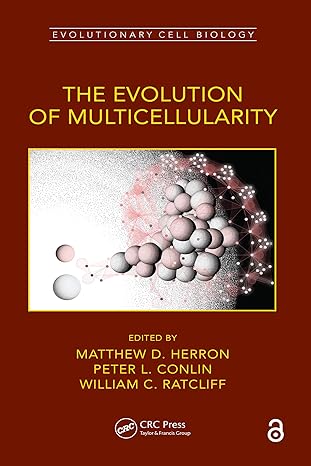
    The Evolution of Multicellularity (Evolutionary Cell Biology)

    Price range: ₨ 650 through ₨ 1,400

    The Evolution of Multicellularity (Evolutionary Cell Biology)

    Unlock the secrets behind one of life’s most profound transitions with The Evolution of Multicellularity (Evolutionary Cell Biology Series), now available at Books Hub PK. This authoritative volume explores how single-celled organisms evolved into complex multicellular lifeforms, offering a detailed analysis backed by evolutionary theory, cellular biology, genomics, and comparative development studies.

    Edited and contributed to by leading scientists in the field, this book integrates cutting-edge research to trace the genetic, biochemical, and environmental triggers that led to multicellularity across different lineages—including animals, plants, fungi, and algae. It provides a cross-disciplinary approach that combines evolutionary biology, cell signaling, developmental biology, and synthetic biology, making it an invaluable reference for researchers and students alike.

    🔬 Key Features:

    • Comprehensive insight into the evolutionary drivers of multicellularity

    • Examines multiple origins of multicellular organisms across the tree of life

    • Discusses cell cooperation, differentiation, adhesion, and communication

    • Explores how multicellularity relates to cancer, development, and aging

    • Presents evidence from modern experimental models like Volvox, Dictyostelium, and yeast

    • Bridges theoretical concepts with molecular and genomic data

    Select options This product has multiple variants. The options may be chosen on the product page Details Quick View
  • Sale!

    The End of Final Causes in Biology

    Price range: ₨ 300 through ₨ 600

    The End of Final Causes in Biology

    The End of Final Causes in Biology is a thought-provoking and scholarly work that explores one of the most fundamental debates in the philosophy of science and modern biology: the role of teleology—or purpose-driven explanations—in understanding life processes. This book challenges traditional Aristotelian concepts of “final causes” and examines how contemporary biology replaces them with mechanistic, evolutionary, and systems-based explanations.

    Written by an expert in the history and philosophy of science, this volume is an essential resource for biologists, philosophers, researchers, and advanced students who want to understand the conceptual foundations of modern biological thought. It offers deep insights into how evolutionary theory, molecular biology, and systems biology have reshaped our understanding of function, adaptation, and design in nature—without invoking purposive causes.

    Key Features:

    • Historical and philosophical analysis – Traces the origins of final cause thinking from Aristotle to modern evolutionary biology.

    • Critical examination of teleology – Explores how purpose-oriented explanations have been replaced by mechanistic and evolutionary reasoning.

    • Covers multiple disciplines – Integrates perspectives from molecular biology, evolutionary theory, and systems biology.

    • Scholarly yet accessible – Written for both academic specialists and scientifically curious readers.

    • Ideal for advanced study – Suitable for university courses in biology, philosophy of science, and evolutionary theory.

    Select options This product has multiple variants. The options may be chosen on the product page Details Quick View
  • Sale!

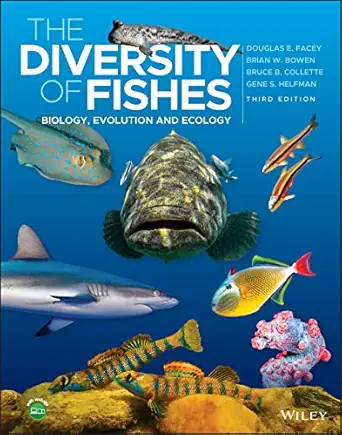
    The Diversity of Fishes: Biology, Evolution and Ecology 3rd Edition

    Price range: ₨ 1,150 through ₨ 2,600

    The Diversity of Fishes: Biology, Evolution and Ecology 3rd Edition

    The Diversity of Fishes: Biology, Evolution and Ecology (3rd Edition) is the definitive textbook on ichthyology — the scientific study of fishes — and an essential resource for students, researchers, and marine biologists worldwide. This updated third edition provides a comprehensive and beautifully illustrated exploration of fish biology, evolution, and ecological diversity, reflecting the latest scientific discoveries and conservation challenges facing aquatic life today.

    Authored by leading experts Gene S. Helfman, Bruce B. Collette, Douglas E. Facey, and Brian W. Bowen, this volume combines decades of research and teaching expertise to present a complete picture of fish diversity, form, function, and environmental adaptation. Covering both freshwater and marine ecosystems, it emphasizes evolutionary relationships, ecological interactions, and the importance of fishes in global biodiversity and ecosystem health.

    Key Features:

    • Extensive Coverage of Fish Biology: Detailed explanations of anatomy, physiology, behavior, reproduction, and evolutionary adaptations of fishes.

    • Updated Research & Taxonomy: Reflects the latest advances in molecular phylogenetics, systematics, and ecological understanding.

    • Beautiful Full-Color Illustrations: Over 600 color photos and diagrams that bring the underwater world to life.

    • Global Perspective: Includes species and habitats from all continents, with emphasis on ecological diversity and conservation.

    • New Content in the 3rd Edition: Expanded sections on climate change impacts, overfishing, and the latest conservation strategies.

    • Ideal for Students & Researchers: Perfect for undergraduate and graduate ichthyology, marine biology, and ecology courses, as well as for field biologists and conservation professionals.

    Select options This product has multiple variants. The options may be chosen on the product page Details Quick View
  • Sale!

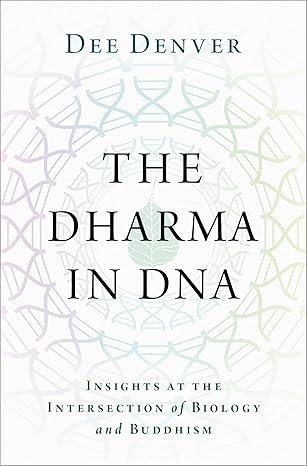
    The Dharma in DNA: Insights at the Intersection of Biology and Buddhism

    Price range: ₨ 400 through ₨ 850

    The Dharma in DNA: Insights at the Intersection of Biology and Buddhism

    The Dharma in DNA: Insights at the Intersection of Biology and Buddhism is a groundbreaking and thought-provoking work that delves into the profound connection between modern biological science and ancient Buddhist wisdom. Now available at Books Hub PK, this compelling book explores how molecular biology, genetics, and evolutionary theory resonate deeply with core Buddhist principles like impermanence, interdependence, and non-self.

    Authored by a seasoned scientist and practitioner of Dharma, this interdisciplinary volume offers readers a unique synthesis of science and spirituality, inviting critical reflection on how the microscopic realities of DNA align with the macroscopic truths of existence taught in Buddhism. Through a combination of personal insight, scientific clarity, and philosophical depth, the book brings to light how the genetic blueprint of life mirrors the cyclical and interconnected nature of all things, a cornerstone of Buddhist thought.

    🧬 Key Themes Explored:

    • Parallels between genetic code and Buddhist doctrines of causality and karma

    • The relationship between evolutionary biology and the Buddhist concept of interbeing

    • How the impermanence of biological life reflects the Dharma's understanding of change and transformation

    • Ethical reflections on genetic manipulation, biotechnology, and mindfulness-based science

    • Dialogue on consciousness, identity, and the illusion of a fixed self from both biological and Buddhist standpoints

    Select options This product has multiple variants. The options may be chosen on the product page Details Quick View
  • Sale!

    The Convergent Evolution of Agriculture in Humans and Insects (Vienna Series in Theoretical Biology)

    The Convergent Evolution of Agriculture in Humans and Insects is a groundbreaking exploration of one of nature’s most fascinating parallels — the independent evolution of agriculture as a survival strategy in both human societies and insect species. Part of the prestigious Vienna Series in Theoretical Biology, this book presents a rich interdisciplinary perspective, combining insights from evolutionary biology, ecology, anthropology, and behavioral science to uncover how and why both humans and insects — such as ants, termites, and beetles — developed complex systems of farming.

    Edited and authored by leading evolutionary biologists, this book highlights how natural selection shaped similar cooperative, agricultural, and symbiotic behaviors across vastly different species. It draws on decades of scientific evidence to show that agriculture, far from being a uniquely human innovation, has evolved multiple times as a convergent solution to ecological and biological challenges.

    Key Features:

    • Interdisciplinary Perspective: Integrates evolutionary theory, ecology, behavioral biology, and anthropology to explain the emergence of agriculture in diverse species.

    • Comparative Analysis: Examines human agriculture alongside that of fungus-farming ants, termites, and beetles, revealing striking parallels in resource management and ecosystem engineering.

    • Evolutionary Insights: Explores the genetic, ecological, and social drivers behind the repeated evolution of agricultural systems.

    • Cooperation and Symbiosis: Analyzes how mutualistic relationships between organisms — such as insects and fungi — mirror human domestication of plants and animals.

    • Complex System Development: Discusses how division of labor, specialization, and communication networks evolved independently in both humans and social insects.

    • Sustainability and Ecological Implications: Reflects on how these natural agricultural systems offer insights into resilience, sustainability, and ecosystem balance.

    • Theoretical and Empirical Depth: Combines quantitative models, field studies, and evolutionary theory to provide a complete picture of agricultural evolution.

    • Scholarly and Accessible: Written in a clear yet scholarly tone, making it suitable for researchers, educators, and students in multiple biological disciplines.

    Select options This product has multiple variants. The options may be chosen on the product page Details Quick View
  • Sale!

    The Concept of Drive in Classical German Philosophy: Between Biology, Anthropology, and Metaphysics

    Delve into a groundbreaking interdisciplinary examination with The Concept of Drive in Classical German Philosophy: Between Biology, Anthropology, and Metaphysics, a meticulously curated 1st edition (2022) edited by Manja Kisner and Jörg Noller and published by Palgrave Macmillan. Now available exclusively at Books Hub PK, this volume is essential for scholars, philosophy students, and researchers interested in German Idealism, philosophy of biology, intellectual history, and ethics.

    Why This Volume Matters
    This compelling collection brings together fourteen original essays that trace the evolution of the philosophical concept of drive (Trieb) around 1800. It offers a rich historical and systematic overview of how drive emerged in disciplines such as biology, anthropology, and psychology, and how it later became a foundational concept in classical German philosophy—including Kant, Fichte, Schelling, and Hegel.

    Contributors analyze early drive theories from thinkers such as Leibniz, Reimarus, and Blumenbach, before moving into the idealist debate through Kant’s Trieb and Triebfeder and continuing via Fichte, Schiller, Goethe, Novalis, Reinhold, Schelling, and Schopenhauer. This volume bridges the gap between the natural sciences and metaphysical inquiry, showing how drive functions as an internal force in living organisms and a vehicle for human freedom and ethical consciousness.

    What's Inside – Table of Contents

    • Historical sources of drive in Leibniz’s appetition and Blumenbach’s Bildungstrieb

    • Kant’s aesthetic and epistemological accounts of drive

    • Fichte and Schiller on motivation, morality, and aesthetics

    • Schelling’s concept of drive as cognitive faculty and Hegel's systematic extension in metaphysics

    Select options This product has multiple variants. The options may be chosen on the product page Details Quick View
  • Sale!

    The Centrosome and its Functions and Dysfunctions (Advances in Anatomy, Embryology and Cell Biology Book 235)

    The Centrosome and Its Functions and Dysfunctions (Book 235 in the renowned Advances in Anatomy, Embryology and Cell Biology series) offers a comprehensive exploration of one of the cell’s most vital organelles — the centrosome. This book presents an in-depth examination of the centrosome’s structure, roles in cell division, and regulatory mechanisms, as well as the impact of its dysfunctions on various diseases, including cancer, neurodevelopmental disorders, and ciliopathies.

    Authored by leading researchers in cell biology, molecular medicine, and developmental biology, this authoritative text integrates the latest scientific discoveries with foundational knowledge to provide readers with a complete understanding of centrosomal biology. It is an essential resource for cell biologists, geneticists, oncologists, and biomedical researchers interested in cellular organization, mitosis, and human disease.

    Key Features:

    • Detailed Overview of Centrosome Biology: Explains the centrosome’s architecture, duplication cycle, and its central role in microtubule organization and spindle formation.

    • Focus on Cellular Mechanisms: Covers key processes such as centrosome maturation, centriole biogenesis, and cilia formation.

    • Insights into Disease Mechanisms: Examines how centrosomal dysfunction contributes to tumorigenesis, brain malformations, and inherited syndromes.

    • Recent Research Highlights: Includes the latest findings in centrosome regulation, signaling pathways, and links to genome stability.

    • Illustrative Figures & Models: Contains high-quality microscopy images, structural diagrams, and schematic representations to enhance conceptual understanding.

    • Expert Contributions: Written by internationally recognized authorities in anatomy, embryology, and molecular cell science.

    Select options This product has multiple variants. The options may be chosen on the product page Details Quick View
  • Sale!

    The Blood-Brain Barrier: Methods and Protocols (Methods in Molecular Biology Book 2492)

    Price range: ₨ 600 through ₨ 1,350

    The Blood-Brain Barrier: Methods and Protocols (Methods in Molecular Biology Book 2492)

    The Blood-Brain Barrier: Methods and Protocols (Methods in Molecular Biology Book 2492) is an essential laboratory guide for researchers, neuroscientists, pharmacologists, cell biologists, and postgraduate scholars studying the structure, function, and regulation of the blood-brain barrier (BBB). Now available in Pakistan through BooksHub.pk, this volume provides step-by-step experimental methodologies used to investigate how substances travel between the bloodstream and the central nervous system, making it a critical resource for brain research, drug delivery studies, and neurological disease modeling.

    The blood-brain barrier plays a vital role in protecting the brain, yet it also presents a major challenge for delivering therapeutic drugs to treat neurological disorders such as Alzheimer’s disease, Parkinson’s disease, brain tumors, epilepsy, and multiple sclerosis. This book offers detailed protocols that allow researchers to model, analyze, manipulate, and measure BBB function in both in vitro and in vivo environments.

    Part of the highly respected Methods in Molecular Biology series, this volume includes:

    • Clear reagent and materials lists

    • Accurate procedural workflows

    • Troubleshooting guidance

    • Expert commentary for optimizing results

    Readers will find practical, proven techniques for BBB cell culture models, permeability assays, live imaging, molecular transport analysis, endothelial cell isolation, and blood-brain interface characterization. The text also covers advanced methods for studying neuroinflammation, immune responses, signaling pathways, and drug transport mechanisms.

    This book is especially useful for MPhil & PhD researchers, neuroscience labs, pharmaceutical R&D groups, and academic institutions developing new therapeutics targeting the brain.

    Key Features

    • Step-by-Step Laboratory Protocols for studying BBB structure and function

    • Covers cell culture models, permeability assays, and in vivo analysis methods

    • Troubleshooting Notes and Practical Tips provided by field experts

    • Useful for research on neurological diseases, drug delivery, and neuroinflammation

    • Ideal for neuroscience researchers, pharmacology labs, and graduate students

    • Part of the authoritative Methods in Molecular Biology series used worldwide

    Select options This product has multiple variants. The options may be chosen on the product page Details Quick View
  • Sale!

    The Biology of Glial Cells: Recent Advances

    Price range: ₨ 1,200 through ₨ 2,750

    The Biology of Glial Cells: Recent Advances

    Unlock the critical role of glial cells in brain function and disease with The Biology of Glial Cells: Recent Advances, a comprehensive and richly illustrated volume now available at Books Hub PK. Published by Springer (2022), this authoritative text reviews groundbreaking discoveries in glial biology, spanning astrocytes, microglia, oligodendrocytes, Schwann cells, and satellite cells—highlighting their contributions to neural development, plasticity, homeostasis, and pathology.

    With over 745 pages and 75 full‑color illustrations, this book dives into cutting-edge research and clinical relevance. It begins with historical perspectives before exploring glial origins, differentiation, and interactions in the CNS. The volume then examines glial responses in neuroinflammatory and neurodegenerative disorders—such as Alzheimer’s, Parkinson’s, ALS, depression, epilepsy, and gliomas—and the mechanisms underlying reactive astrogliosis and microglial activation.

    Chapters include studies on:

    • Microglial roles in immune signaling and aging-driven neuroinflammation

    • Astrocyte dysfunction in CNS disorders, including neural iron metabolism, neuro-glial interactions, and neuroplasticity

    • Oligodendrocyte biology, myelination, and related demyelinating pathologies

    • Glial involvement in gliomas, CNS infections, and brain tumor microenvironments

    • Neurobiology of peripheral glia, including Schwann and satellite cells and their role in nerve repair

    • Emerging in vitro and model organism systems, including Drosophila for glial research.

    Special emphasis is given to neuro-glial interplay in development and disease, including synaptic regulation, energy stewardship, and the impact of glia on brain circuitry stability, learning, and behavior.

    Select options This product has multiple variants. The options may be chosen on the product page Details Quick View
  • Sale!

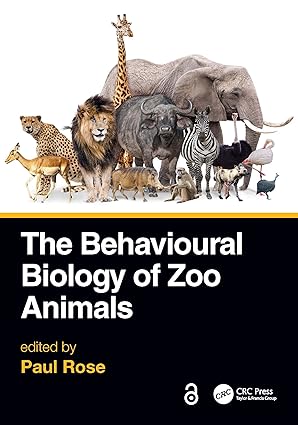
    The Behavioural Biology of Zoo Animals

    Price range: ₨ 600 through ₨ 1,350

    The Behavioural Biology of Zoo Animals

    Explore the fascinating world of animal behavior in captivity with "The Behavioural Biology of Zoo Animals" – a cornerstone reference for students, zookeepers, veterinarians, animal welfare researchers, and wildlife biologists. This classic work offers a comprehensive look at the psychological, biological, and environmental factors influencing zoo animal behavior, making it essential for those dedicated to improving animal care and welfare.

    The book delves into how captive environments impact natural behaviors, addressing topics like stress, enrichment, social structures, reproductive patterns, and adaptation. By observing how animals behave in zoos versus the wild, this book provides practical strategies for behavioral management, enclosure design, and welfare enhancement.

    Key Features:

    • Covers behavior patterns of mammals, birds, reptiles, and primates in captivity

    • Explores issues such as stereotypic behavior, feeding habits, and environmental enrichment

    • Offers insight into animal cognition, motivation, and behavioral needs

    • Practical implications for zoo design, husbandry, and conservation breeding programs

    • Grounded in both scientific research and real-world observation

    • A valuable resource for animal science students and zookeepers in training

    Written in accessible language, this book bridges the gap between academic theory and practical zoo management, making it a perfect companion for animal behavior courses, zoology programs, and animal ethics studies.

    Select options This product has multiple variants. The options may be chosen on the product page Details Quick View
  • Sale!

    The Basics of Molecular Biology

    Price range: ₨ 350 through ₨ 700

    The Basics of Molecular Biology

    The Basics of Molecular Biology is a comprehensive and accessible guide designed to introduce students and professionals to the fundamental principles of molecular biology — the study of life at the molecular level. This essential textbook covers everything from the structure and function of DNA, RNA, and proteins to the molecular mechanisms that drive gene expression, replication, and cell regulation. Perfectly suited for undergraduate students, researchers, and medical learners, this book delivers the foundational knowledge required to understand modern biotechnology, genetics, and biomedical research.

    Authored by leading experts and educators in the field, The Basics of Molecular Biology explains complex concepts with clarity, precision, and visual support, making it ideal for both classroom learning and self-study. Each chapter builds upon core topics, offering a step-by-step understanding of the molecules that define cellular function and inheritance.

    Key Features:

    • Comprehensive Coverage: Explores key topics including DNA replication, transcription, translation, gene regulation, genetic code, and molecular evolution.

    • Clear Explanations: Concepts are presented in simple, student-friendly language, making it easier for beginners to grasp even the most intricate biological mechanisms.

    • Visual Learning Aids: Richly illustrated with diagrams, flowcharts, and molecular models to reinforce understanding and retention.

    • Focus on Applications: Connects molecular biology to biotechnology, genetics, bioinformatics, and medicine, helping readers appreciate its real-world importance.

    • Updated Scientific Insights: Incorporates recent advances in genomics, proteomics, CRISPR gene editing, and next-generation sequencing technologies.

    • End-of-Chapter Summaries & Questions: Designed to aid in exam preparation and conceptual reinforcement for university and competitive tests.

    • Ideal for Multiple Disciplines: Suitable for medical, dental, pharmacy, biotechnology, and life sciences students.

    Select options This product has multiple variants. The options may be chosen on the product page Details Quick View

Buy Biology Books Online in Pakistan for Every Level

Books Hub PK offers a comprehensive range of Biology Books tailored for students, educators, and professionals across Pakistan. Whether you’re a school student starting with the basics or a university scholar diving deep into advanced biological systems, our selection has something to suit your academic or research needs.

Choose the Right Biology Books for Your Studies

Our collection covers a broad spectrum of topics, including cell biology, genetics, microbiology, physiology, and ecology. Whether you’re preparing for board exams, entry tests like MDCAT, or pursuing a degree in life sciences, you’ll find the perfect textbooks and reference materials here. These Books are aligned with both local and international syllabi, making them suitable for students at all academic levels.

Learn from Books Authored by Experts

The Books available at Books Hub PK are written by renowned subject matter experts, educators, and researchers. These authors ensure that the content is up-to-date, scientifically accurate, and presented in a clear and engaging manner. With detailed explanations, real-world examples, colorful diagrams, and chapter-wise summaries, these books make even the most complex biological concepts easy to understand and apply.

Upgrade Your Learning Experience with Practical Resources
In addition to standard textbooks, we offer lab manuals, practical guides, and advanced research materials to support hands-on learning and academic success. Whether you’re conducting experiments or preparing for viva exams, our Biology Books will give you the edge in understanding biological systems, lab techniques, and scientific analysis.

Order Now for Fast Delivery Across Pakistan

At Books Hub PK, we make it easy for you to buy high-quality Biology Books with just a few clicks. Our platform offers fast delivery nationwide, secure payment options, and competitive pricing. You’ll receive genuine, brand-new books at your doorstep, saving you the time and effort of searching bookstores manually.

Don’t miss out on the opportunity to enhance your understanding of life sciences with trusted academic resources. Browse our extensive collection of Biology Books and place your order now. Whether you’re buying for school, college, or personal enrichment, Books Hub PK is your reliable source for the best biology literature in Pakistan.

Go to Top