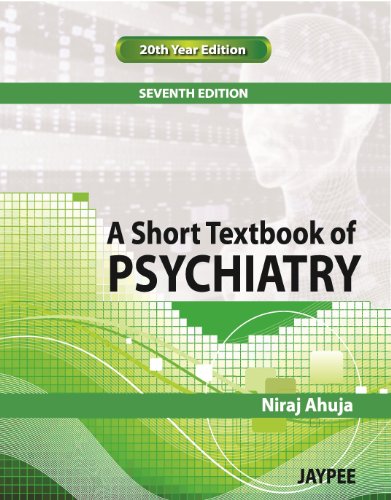
Fundamentals of Psychiatry for Health Care Professionals
Fundamentals of Psychiatry for Health Care Professionals is an essential guide designed for medical students, nursing staff, allied health professionals, psychologists, and trainee psychiatrists who wish to gain a clear and practical understanding of psychiatric principles. This book bridges the gap between theory and practice, offering an accessible, concise, and clinically relevant introduction to mental health care.
With rising awareness of mental health challenges worldwide, it is crucial for healthcare professionals to recognize, assess, and manage psychiatric conditions effectively. This book equips readers with the knowledge and skills to identify common mental disorders, understand their underlying mechanisms, and apply evidence-based approaches to treatment and patient support. It also emphasizes communication, empathy, and interdisciplinary collaboration, which are vital for delivering comprehensive mental health care.
Fundamentals of Psychiatry for Health Care Professionals is ideal for students preparing for exams, clinical rotations, or professional certification, as well as for practitioners seeking a reliable reference for day-to-day patient care.
⭐ Key Features
-
Comprehensive Coverage: Addresses major psychiatric disorders, including mood disorders, anxiety, psychosis, substance use disorders, personality disorders, and neurocognitive disorders.
-
Clinical Relevance: Focuses on practical approaches for assessment, diagnosis, and treatment in real-world healthcare settings.
-
Accessible Language: Written in clear, concise language suitable for students and healthcare professionals at all levels.
-
Evidence-Based Guidance: Integrates current research, best practices, and standardized treatment protocols.
-
Interdisciplinary Approach: Emphasizes collaboration between doctors, nurses, psychologists, and other allied health professionals.
-
Case Examples & Practical Tips: Includes real-world scenarios to illustrate psychiatric assessment, patient interaction, and intervention strategies.
-
Ethical & Communication Skills: Highlights patient-centered care, empathy, confidentiality, and professional ethics in mental health.
-
Exam-Friendly Format: Structured for quick revision, self-study, and effective learning for psychiatry rotations and assessments.